Cómo Quedó El Partido México Portugal: A Tale of Two Defenses in a Goalless Stalemate
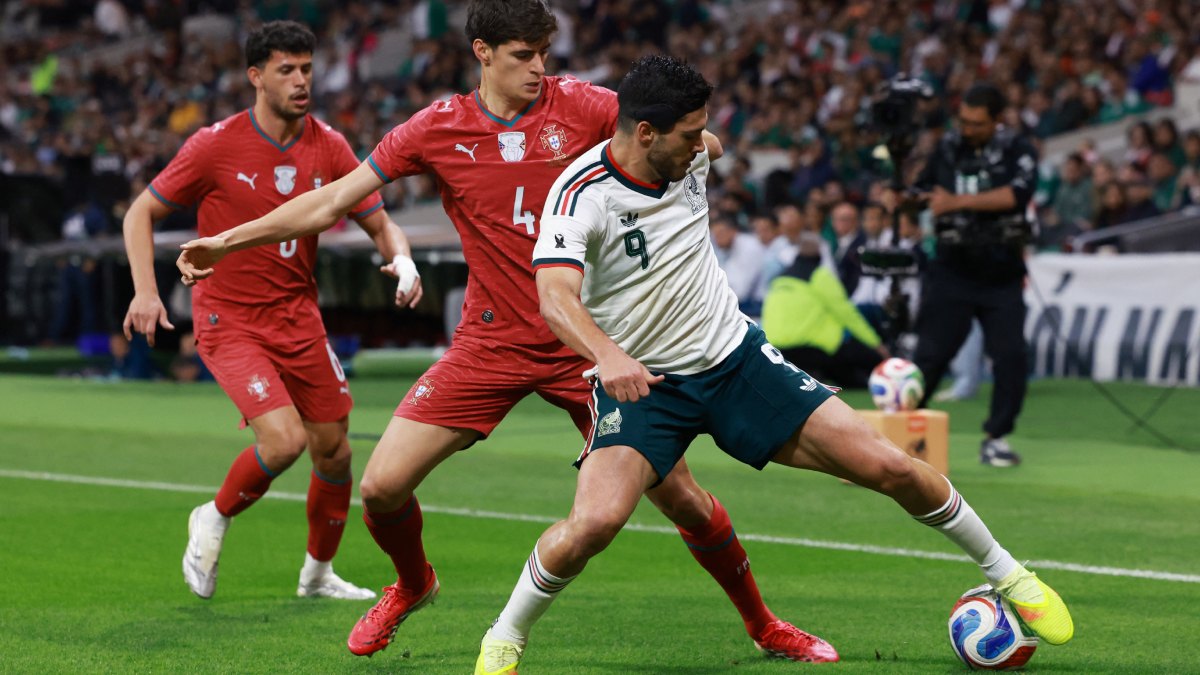
The highly anticipated friendly clash between Mexico and Portugal, marking the grand reopening of the Estadio Banorte, delivered a result that, on paper, might seem uneventful: a 0-0 draw. However, to focus solely on the lack of goals would be to miss the rich tapestry of tactical battles, individual brilliance, and strategic insights gleaned from this significant encounter. For those wondering, "Cómo Quedó El Partido México Portugal?", the answer is a goalless stalemate, but one that left both teams with plenty to ponder as they gear up for the 2026 World Cup. Mexico, in particular, showcased a defensive resilience and tactical maturity that belied their "friendly" status, standing toe-to-toe with one of the world's footballing powerhouses.
The match, played on Saturday, March 28th, 2026, served as a crucial litmus test for Javier Aguirre's Mexican squad. Facing a team of Portugal's caliber demanded focus, discipline, and a willingness to fight for every ball. El Tri responded admirably, demonstrating a robust defensive structure that stifled many of Portugal's dangerous attacks. While the scoreboard remained untouched, the performance offered valuable lessons and highlighted both Mexico's growing strengths and persistent offensive woes.
Defensive Fortitude and Goalkeeping Brilliance
One of the most encouraging takeaways for Mexico was their defensive performance. From the backline to the midfield, there was a clear commitment to organization and collective effort. Portugal, known for its potent attacking talent, found clear-cut chances hard to come by, a testament to Mexico's disciplined approach. The strategy seemed to prioritize defensive solidity, and it paid dividends.
A standout performer was Raúl Rangel, the chosen goalkeeper for this high-profile friendly. Stepping into a starting role against an opponent of Portugal's stature is no small feat, yet Rangel handled the pressure with composure and skill. His presence in goal instilled confidence, and he made crucial interventions when called upon, earning significant praise from analysts and fans alike. This performance likely solidified his position as a serious contender for the starting spot as the World Cup approaches.
The back four, supported by a diligent midfield, worked in unison to deny space and quickly close down Portuguese attackers. While Portugal did manage to hit the post in the first half – a stark reminder of their attacking threat – Mexico’s defense held firm, bending but not breaking under pressure. This defensive display signals a positive trend for Aguirre’s men, indicating they can compete physically and tactically with top-tier international sides. For a deeper dive into the tactical implications, you can read more about
Mexico Holds Portugal to 0-0 Draw: Key Takeaways for World Cup 2026.
Midfield Mastery and Strategic Experimentation
Beyond the defensive lines, Mexico’s midfield was equally instrumental in dictating the tempo and often dominating possession. Álvaro Fidalgo shone brightly, taking control of the central park and orchestrating many of Mexico's promising movements. His ability to carry the ball, distribute effectively, and challenge for possession was vital in ensuring Mexico could not only defend but also launch attacks. Supported by the energetic Brian Gutiérrez of Chivas, Fidalgo’s presence allowed Mexico to fight "de tú a tú" with Portugal, showcasing a personality and belief that impressed many.
Javier Aguirre, affectionately known as "El Vasco," utilized this friendly as a crucial opportunity for experimentation. The lineup, particularly the inclusion of Rangel and Fidalgo, signaled his intent to test new combinations and gauge player readiness for the World Cup. The fluidity in the midfield and the overall tactical discipline suggest that Aguirre is refining his squad, looking for the perfect balance ahead of the global spectacle.
The second half saw strategic substitutions that further impacted the game's dynamic. Julián Quiñones, for instance, injected much-needed pace and directness into Mexico’s attack, making them considerably more dangerous. These changes highlight Aguirre's flexible approach and his willingness to adjust tactics based on the flow of the game and the players at his disposal.
Offensive Woes and Missed Opportunities
Despite the commendable defensive effort and periods of midfield dominance, Mexico's primary challenge – and a familiar narrative – remains their lack of a clinical finish in front of goal. The 0-0 scoreline, while a testament to defensive strength, also underscored the team's struggles to convert promising build-up play into tangible threats.
The most significant opportunity for Mexico came in the dying minutes of the match, with "Hormiga" González on the field. The current top scorer in Mexican football, much requested by the fans, found himself in a prime position but sent his header just wide of the post. It was a moment that could have sealed a historic victory and provided a different answer to "Cómo Quedó El Partido México Portugal," but it ultimately exemplified the offensive frustrations.
This lack of cutting edge has been a historical trend for Mexico against Portugal, whom they have never defeated. While the team showed personality and created chances, the final ball or the decisive shot often lacked the precision needed to breach Portugal's equally solid defense. This area will undoubtedly be a key focus for Aguirre and his coaching staff as they continue their preparations for the 2026 World Cup. Improving offensive contundencia will be paramount if Mexico aims to make a deep run in the tournament.
Looking Ahead: Belgium and the Road to 2026
For Javier Aguirre and the Mexican national team, this goalless draw against Portugal was far more than just an insipid friendly. It was a valuable learning experience, providing clear insights into player capabilities and tactical effectiveness. The ability to stand firm against a World Cup contender like Portugal, particularly with key players being tested, offers a significant confidence boost.
The journey continues for El Tri with another crucial friendly against Belgium in Chicago. This upcoming match will provide a different kind of test, allowing Aguirre to further fine-tune his squad and experiment with more tactical variations. The goal remains clear: to identify the optimal starting XI and build a cohesive unit prepared for the World Cup opener on June 11th against South Africa.
The enthusiastic crowd at the reopened Estadio Banorte, while ultimately booing the goalless result, could take solace in the team’s overall performance. Mexico showed heart, tactical discipline, and promising individual displays. The experience gained from facing a top-tier opponent will be invaluable, even if the scoreboard didn't reflect a victory. As the team moves forward, the lessons learned from this defensive display and the identified areas for offensive improvement will be critical in shaping their World Cup aspirations. For more context on the match's significance, explore
Mexico's Promising 0-0 Against Portugal: Banorte Reopening Analysis.
In conclusion, "Cómo Quedó El Partido México Portugal" was a 0-0 draw that speaks volumes about Mexico's defensive evolution and the strategic vision of Javier Aguirre. While the offensive spark needs igniting, the foundation of a resilient and competitive team is clearly being laid, promising an exciting, albeit challenging, road to the 2026 World Cup.